
Complete Guide: Ideal Weight, Healthy Weight and BMI – Achieve Your Sustainable Healthy Weight
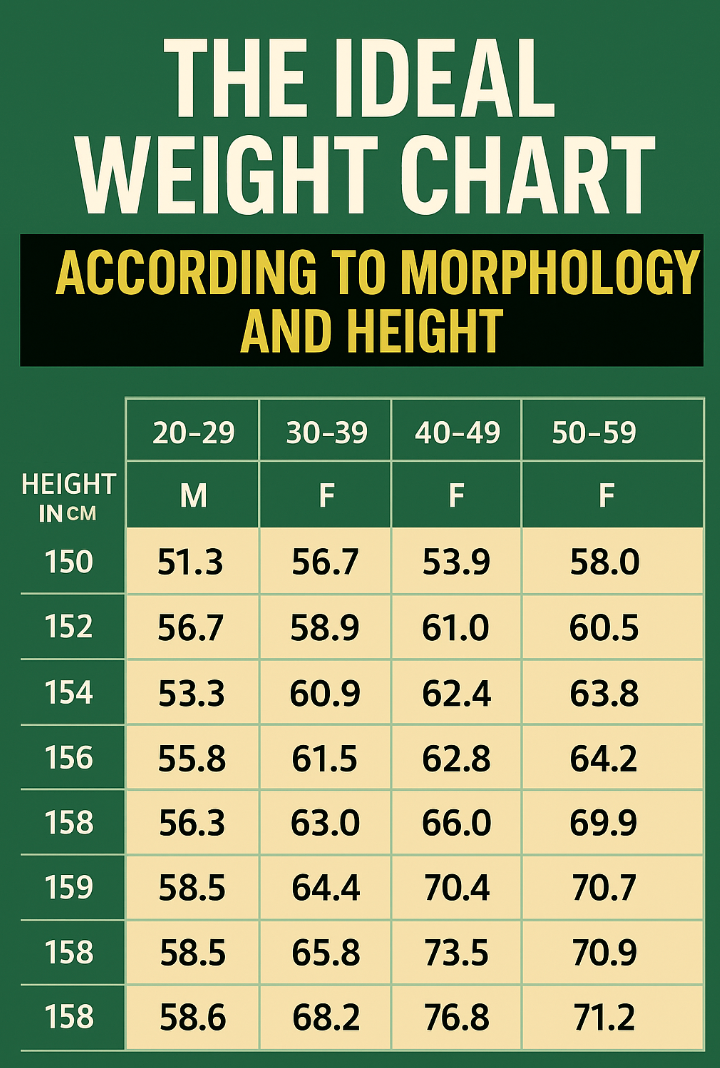
Introduction: Understanding the Real Meaning of a Healthy Weight
In today’s fast-paced world, where information about nutrition, weight loss programs, and wellness trends circulates endlessly online, distinguishing between your ideal weight and your natural healthy weight has become increasingly complex. With the rise of high-protein diets, intermittent fasting apps, weight loss supplements, and even medical weight loss solutions such as GLP-1 medications and bariatric surgery, many people are left wondering:
-
How do you accurately calculate your Body Mass Index (BMI)?
-
Is BMI enough to determine whether you are truly healthy?
-
What strategies actually support sustainable weight management?
-
How can you avoid restrictive diets that promise rapid fat loss but lead to long-term metabolic damage?
This in-depth, science-based guide—grounded in expert recommendations from clinical nutrition, preventive medicine, and metabolic health research—will provide clear, actionable answers. You will learn how to define your personal healthy weight range, understand the limitations of standardized metrics, and adopt long-term habits that promote cardiovascular health, hormonal balance, and overall well-being.
Healthy Weight: A Holistic Vision of Well-Being
Medical Definition and Comprehensive Perspective
Your healthy weight is far more than a number displayed on a digital scale. It represents the body weight at which you function optimally—physically, mentally, and metabolically.
At your natural healthy weight:
-
Your cardiovascular system operates efficiently.
-
Your blood pressure, blood sugar, and cholesterol levels remain within optimal ranges.
-
Your risk of chronic conditions such as type 2 diabetes, hypertension, metabolic syndrome, and heart disease is significantly reduced.
-
Your energy levels remain stable throughout the day.
-
Your cognitive performance and concentration improve.
-
Your mood regulation and psychological resilience strengthen.
Modern preventive healthcare increasingly recognizes that wellness extends beyond appearance. True health integrates metabolic health, emotional balance, and sustainable lifestyle habits.
A Personalized Range, Not a Fixed Number
Contrary to messages often promoted by the weight loss industry and commercial dieting programs, healthy weight is not a rigid, universal number. Registered dietitians and obesity medicine specialists emphasize that it is better understood as a personalized weight range.
This individualized range depends on multiple variables:
-
Genetic predisposition
-
Bone structure and body frame size
-
Basal metabolic rate (BMR)
-
Lean muscle mass vs. body fat percentage
-
Hormonal profile
-
Weight history and lifestyle patterns
Two individuals of identical height may have very different healthy weight ranges while both maintaining excellent health markers.
Breaking Harmful Myths About Thinness
One of the most damaging myths perpetuated by media and the beauty industry is the idea that extreme thinness equals health. In reality, being underweight can increase risks of:
-
Nutrient deficiencies
-
Osteoporosis
-
Hormonal imbalances
-
Weakened immune function
A person with natural curves or a higher body weight may still have outstanding metabolic health, especially if they maintain physical activity, balanced nutrition, and emotional stability.
Health is not defined by a clothing size—it is determined by physiological balance and long-term disease prevention.
How Healthy Weight Evolves Throughout Life
Post-Growth Stabilization and Metabolic Maturity
From a biological perspective, weight stabilizes after growth is complete—typically between ages 21 and 22—when the endocrine system matures and metabolic rate reaches adult baseline levels. Bone density peaks, and body composition settles according to genetics and lifestyle.
However, this stabilization is not permanent.
Key Factors That Influence Weight Fluctuations
1. Hormonal Changes
Major life stages significantly impact weight management:
-
Puberty
-
Pregnancy and postpartum recovery
-
Perimenopause and menopause
-
Andropause in men
During menopause, declining estrogen levels often lead to increased abdominal fat storage and slower metabolism.
2. Lifestyle Transitions
Changes in physical activity—such as moving from an active job to a sedentary office role—can alter calorie expenditure. Without nutritional adjustments, gradual weight gain may occur.
Similarly, starting a strength training program can increase muscle mass, which may raise scale weight but improve body composition and metabolic efficiency.
3. Stress and Mental Health
Chronic stress elevates cortisol levels, which promotes visceral fat accumulation—especially around the abdomen.
Depression and anxiety may also disrupt eating patterns, causing emotional eating or appetite suppression.
4. Behavioral Changes
Smoking cessation often leads to moderate weight gain (typically 5–10 pounds) as metabolism normalizes and appetite returns.
Certain medications—such as antidepressants, corticosteroids, and antipsychotics—can also affect weight regulation.
Body Mass Index (BMI): Reference Tool and Its Limitations
Official BMI Calculation
Body Mass Index (BMI) remains the international standard for assessing weight status. Developed in the 19th century by Adolphe Quetelet, BMI is calculated as:
BMI = Weight (kg) ÷ Height (m²)
Example:
A person weighing 58 kg and measuring 1.65 m:
BMI = 58 ÷ (1.65 × 1.65) = 21.3
This falls within the “normal” range.
WHO BMI Classifications
-
Underweight: Below 18.5
-
Normal weight: 18.5–24.9
-
Overweight: 25–29.9
-
Obesity Class I: 30–34.9
-
Obesity Class II: 35–39.9
-
Obesity Class III: 40+
Higher BMI levels correlate with increased risk for cardiovascular disease, insulin resistance, and certain cancers.
Scientific Limitations of BMI
While widely used in preventive healthcare and insurance risk assessment, BMI has major limitations:
It Does Not Measure Body Composition
Athletes with high muscle mass may have elevated BMI yet low body fat percentage. Muscle weighs more than fat.
It Ignores Fat Distribution
Visceral fat (abdominal fat around organs) is more dangerous than subcutaneous fat. Waist circumference is often a better predictor of cardiometabolic risk.
It Does Not Account for Sex Differences
Women naturally carry higher essential body fat than men.
It Overlooks Ethnic Variations
Research shows that some Asian populations experience metabolic risks at lower BMI thresholds.
BMI should be considered a screening tool—not a diagnostic measure.
Moving Beyond Standard Norms
Personalized Weight Assessment
An individual with a BMI slightly above 25 may still be metabolically healthy if they demonstrate:
-
Normal fasting blood glucose
-
Balanced lipid profile
-
Healthy blood pressure
-
Strong physical endurance
-
Stable mental health
In fact, long-term weight stability often produces better health outcomes than repeated cycles of rapid weight loss and regain (yo-yo dieting).
Special Considerations for Older Adults
For adults over 65, research suggests that a BMI between 25 and 27 may correlate with improved resilience during illness and reduced mortality risk.
Excessively low weight in seniors increases risk of frailty, muscle loss (sarcopenia), and weakened immunity.
Effective Strategies to Maintain a Healthy Weight
1. Balanced Nutrition and the Mediterranean Model
The Mediterranean diet remains one of the most evidence-based dietary patterns for cardiovascular health and sustainable weight management.
Core principles include:
-
Abundant fruits and vegetables
-
Whole grains
-
Legumes
-
Extra-virgin olive oil
-
Fatty fish rich in omega-3
-
Nuts and seeds
-
Moderate red wine consumption
This anti-inflammatory eating pattern supports blood sugar control, cholesterol balance, and long-term metabolic health.
2. Hydration
Drinking 1.5–2 liters of water daily supports digestion, appetite regulation, detoxification, and kidney function.
3. Regular Physical Activity
Public health guidelines recommend:
-
150 minutes of moderate cardio per week
-
Strength training 2–3 times weekly
-
Mobility or flexibility exercises
Strength training is particularly important because muscle tissue increases resting metabolic rate, enhancing fat-burning efficiency.
4. Sleep Quality and Hormonal Balance
Sleep deprivation disrupts leptin (satiety hormone) and ghrelin (hunger hormone), increasing cravings for high-calorie foods.
Adults should aim for 7–9 hours of quality sleep per night in a cool, dark environment.
5. Stress Management
Chronic stress fuels abdominal fat accumulation and insulin resistance.
Effective strategies include:
-
Mindfulness meditation
-
Deep breathing exercises
-
Cognitive behavioral therapy
-
Creative hobbies
Mental wellness is a cornerstone of sustainable weight control.
Reaching Your Natural Healthy Weight
Developing Body Awareness
Learning to distinguish physical hunger from emotional hunger is essential.
Physical hunger develops gradually and can be satisfied with various foods. Emotional hunger appears suddenly and craves specific comfort foods.
Mindful eating improves satiety recognition and prevents overeating.
Avoiding Restrictive Diets
Severe calorie restriction can:
-
Slow metabolic rate
-
Trigger hormonal imbalance
-
Increase long-term weight regain risk
Studies show that 80–95% of individuals who follow extreme diets regain lost weight within five years.
Instead, gradual dietary rebalancing supports sustainable fat loss and metabolic recovery.
Professional Support
A multidisciplinary approach may include:
-
Registered dietitian
-
Certified fitness coach
-
Psychologist specializing in emotional eating
-
Primary care physician or endocrinologist
Comprehensive care improves long-term success.
Long-Term Monitoring Beyond the Scale
Rather than obsessing over daily weigh-ins, focus on:
-
Energy levels
-
Waist circumference
-
Strength and endurance progress
-
Annual blood work
-
Emotional well-being
These metrics better reflect metabolic health and disease prevention.
Accepting Natural Body Evolution
Weight may shift due to:
-
Aging
-
Hormonal changes
-
Career transitions
-
Family responsibilities
Metabolism naturally declines after age 40, requiring adjustments in physical activity and dietary quality—not extreme dieting.
Conclusion: Building a Healthy Relationship With Your Body
Your healthy weight is not about meeting arbitrary beauty standards or achieving a “perfect” BMI. It is about cultivating sustainable habits that protect cardiovascular health, support metabolic function, and enhance emotional resilience.
By integrating balanced nutrition, regular exercise, restorative sleep, stress management, and intuitive body awareness, you build a strong foundation for long-term wellness.
True health transcends the number on the scale. It reflects harmony between body, mind, and lifestyle—a sustainable approach that supports vitality at every stage of life.